In a moment that cut sharply against the dominant narrative surrounding federal immigration enforcement, Portland Police Chief Bob Day publicly acknowledged that the Department of Homeland Security’s account of a recent shooting was accurate — and then visibly struggled with the weight of saying so. The press conference on Friday was notable not only for what Day admitted, but for how difficult it appeared to be for him to admit it.
According to DHS, the incident occurred during a targeted stop involving individuals allegedly affiliated with Tren de Aragua, a notoriously violent Venezuela-based gang. Federal officials stated that when Border Patrol agents identified themselves, the driver of the vehicle attempted to run them down, weaponizing the car and prompting an agent to fire a defensive shot. Two people were injured in the exchange. From the outset, DHS characterized the shooting as self-defense during an enforcement operation.
Portland Police Chief Bob Day deserves to be mocked.
This is pathetic.
pic.twitter.com/xFQM2Lqsqi— Gunther Eagleman™ (@GuntherEagleman) January 10, 2026
Chief Day confirmed that key element of the federal account. He acknowledged that the individuals involved did, in fact, have associations with Tren de Aragua. Yet even as he confirmed the information, he made clear his reluctance to share it, explaining that he feared contributing to what he described as a history of “victim-blaming” by law enforcement. His comments reflected a deep tension between transparency and political sensitivity, particularly in a city where immigration enforcement is routinely framed as inherently suspect.
Day emphasized that disclosing the gang affiliation was not meant to justify or explain away the actions taken during the shooting. He insisted it was simply factual information that his department possessed and had been asked about publicly. Still, the emotional weight of that disclosure was unmistakable.
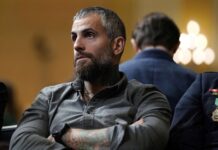
As he addressed Portland’s Latino community directly, Day broke down in tears, apologizing for the pain and fear such information might cause and stressing that it was not intended to disparage or stigmatize anyone.
Portland Police @ChiefBobDay cries at a press conference after having to affirm that @DHSgov was correct in stating that the illegal Venezuelan migrants accused of trying to run down Border Patrol have ties to Tren de Aragua. Chief Day admitted that he hesitated to share the… pic.twitter.com/wxdT53yWsD
— Andy Ngo (@MrAndyNgo) January 10, 2026
The scene was striking: a police chief emotionally apologizing not for misconduct, but for telling the truth. His remarks underscored how fraught the political environment has become, where acknowledging facts that align with federal authorities can feel like a moral transgression. Even as he spoke about the importance of the rule of law and public trust, the subtext was clear — truth itself has become controversial.
Journalist Andy Ngo highlighted that context bluntly. He noted that city and state leaders, along with much of the media, had rushed to condemn federal agents, reject DHS statements, and portray the suspects as victims before the facts were established. That response, Ngo argued, helped fuel public outrage, culminating in a mob attempting to attack an ICE facility and multiple arrests.