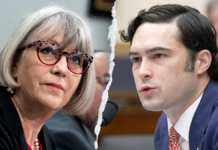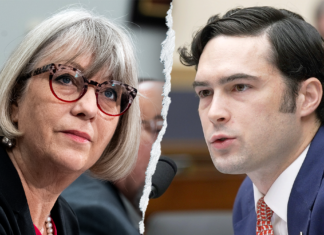
The confrontation is building around a familiar fault line: how aggressively a prosecutor should pursue charges, and what happens when that approach shifts.
Rep. Chip Roy has directed his criticism at Travis County District Attorney Jose Garza, arguing that internal guidance from the DA’s office reflects a broader pattern of leniency. In a letter sent to Garza, Roy described Austin and the surrounding county as increasingly unstable, tying that assessment to prosecutorial decisions made since Garza took office in 2021.
At the center of the dispute is an internal memo from August 2023. According to Roy, the document instructs prosecutors to weigh a range of mitigating factors when handling cases, including the age of defendants and potential immigration consequences. One section highlights neurological development, noting that individuals under 25 may lack full impulse control and should, in some cases, be considered for alternatives to incarceration.
Garza’s office has framed similar policies in the past as an effort to reduce repeat offenses and avoid overreliance on jail and prison. The memo reportedly reinforces that position, describing incarceration as an ineffective primary tool for rehabilitation and encouraging outcomes that keep certain offenders connected to family and community when possible.
Roy interprets the same guidance differently. He argues it signals a reluctance to prosecute aggressively, particularly in cases involving serious offenses. In his letter, he cited figures indicating that thousands of felony charges were dismissed or rejected during Garza’s first two years, including cases categorized as violent, sexual, or weapons-related. He also pointed to a rise in reported property crimes over a multi-year period, suggesting a link between prosecutorial policy and public safety trends.
That connection remains contested. Crime rates are influenced by multiple variables—policing levels, reporting practices, population changes—and cannot be attributed to a single office without broader analysis. Still, the numbers have become a central talking point for critics.
Garza has faced similar accusations before, particularly during his reelection campaign, when victims and families publicly questioned how their cases were handled. Supporters, however, have defended his approach as a deliberate shift away from traditional prosecution models, emphasizing diversion programs and selective charging decisions.
The political backdrop adds another layer. Garza’s 2020 campaign received support from organizations linked to George Soros, a detail frequently cited by opponents to frame his policies within a national movement among progressive prosecutors. At the same time, Garza has taken firm positions in other areas, including opposition to certain federal immigration enforcement actions, which has further sharpened criticism from figures like Roy.
Now, Roy is pressing for specifics—asking which policies from the 2023 memo remain in effect and how the DA’s office ensures that individuals accused of serious crimes are not being handled too leniently.
The outcome of that exchange is uncertain. What is clear is the divide: one side arguing that restraint and discretion reduce long-term harm, the other insisting that such restraint risks weakening accountability in the present.